Replacement Vacuum Filters: A Comprehensive Guide to Vacuum Filters for Dental Use

Vacuum filters play a crucial role in maintaining the efficiency and hygiene of vacuum systems, especially in specialized fields like dental care. Whether you are managing a dental clinic or simply interested in the technology behind vacuum filters, understanding the types, maintenance, and replacement options is essential. This guide will walk you through everything you need to know about vacuum filters for dental use, helping you make informed decisions to keep your equipment running smoothly.
Understanding Vacuum Filters for Dental Use
Vacuum filters in dental equipment are designed to trap debris, dust, and microorganisms generated during dental procedures. These filters protect the vacuum pump and ensure that the air expelled is clean and safe. Dental vacuum systems often handle biohazardous materials, so the filters must meet strict standards for filtration efficiency.
There are several types of vacuum filters used in dental settings:
HEPA Filters: High-Efficiency Particulate Air filters capture 99.97% of particles as small as 0.3 microns. They are essential for preventing the spread of airborne contaminants.
Charcoal Filters: These filters help reduce odors and chemical vapors.
Pre-Filters: These capture larger particles to extend the life of the main filter.
Proper selection depends on the specific dental vacuum system and the type of procedures performed. Regular inspection and timely replacement are critical to maintaining optimal performance.
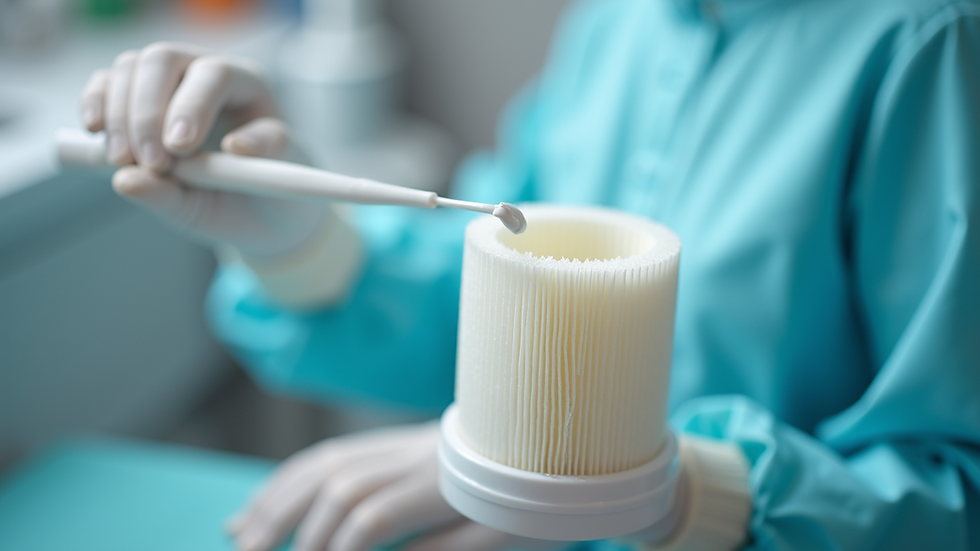
How to Choose the Right Vacuum Filter for Your Dental Equipment
Choosing the right vacuum filter involves several factors:
Compatibility: Always check the manufacturer’s specifications for your dental vacuum system. Using incompatible filters can damage the equipment or reduce efficiency.
Filtration Efficiency: For dental use, filters with HEPA certification are highly recommended to ensure maximum protection against pathogens.
Durability and Lifespan: Consider filters that offer a balance between cost and longevity. Some filters need replacement every few months, while others last longer.
Ease of Replacement: Filters that are easy to replace reduce downtime and maintenance costs.
Cost: While it might be tempting to opt for cheaper filters, investing in high-quality filters can save money in the long run by protecting your equipment and ensuring patient safety.
For example, a dental clinic performing frequent aerosol-generating procedures should prioritize HEPA filters with high durability. On the other hand, a smaller practice with less frequent use might opt for standard filters with regular replacement schedules.
Does Home Depot Sell Vacuum Cleaner Filters?
If you are looking for vacuum cleaner filters, Home Depot is a convenient option for many consumers. They offer a variety of filters compatible with popular vacuum brands. However, when it comes to specialized vacuum filters for dental use, Home Depot’s inventory may be limited.
Home Depot typically stocks:
Standard vacuum cleaner filters for household use
HEPA filters for residential vacuum cleaners
Replacement parts for common vacuum models
For dental vacuum filters, it is advisable to consult specialized suppliers or manufacturers who provide filters designed specifically for medical and dental equipment. These filters meet the stringent requirements necessary for clinical environments.

Maintenance Tips for Vacuum Filters in Dental Settings
Maintaining vacuum filters is essential to ensure the longevity of your dental vacuum system and the safety of your workspace. Here are some practical tips:
Regular Inspection: Check filters monthly for signs of clogging or damage.
Scheduled Replacement: Follow the manufacturer’s recommended replacement intervals. Even if a filter looks clean, it may have lost its effectiveness.
Proper Cleaning: Some filters are washable; others are disposable. Never attempt to wash a disposable filter as it can damage the filter media.
Use Genuine Parts: Always use genuine or certified replacement filters to maintain system integrity.
Monitor System Performance: A drop in suction power or unusual noises can indicate filter issues.
By adhering to these maintenance practices, you can avoid costly repairs and ensure that your dental vacuum system operates at peak efficiency.
Where to Buy Replacement Vacuum Filters
Finding reliable sources for replacement vacuum filters is crucial. Many dental professionals turn to specialized suppliers who understand the unique requirements of dental vacuum systems. Online retailers and manufacturer websites often provide detailed product information and customer support.
When purchasing replacement filters, consider:
Authenticity: Ensure the filters are genuine and meet industry standards.
Customer Reviews: Look for feedback from other dental professionals.
Warranty and Return Policy: Choose suppliers that offer guarantees and easy returns.
Bulk Purchase Options: Buying in bulk can reduce costs for busy clinics.
For those interested in exploring options, replacement vacuum filters are available through trusted online platforms that specialize in dental equipment parts.
Enhancing Air Quality with Advanced Vacuum Filters
Advanced vacuum filters not only protect your equipment but also improve the overall air quality in dental clinics. This is particularly important in preventing cross-contamination and ensuring a safe environment for patients and staff.
Some innovations in vacuum filter technology include:
Antimicrobial Coatings: Filters treated with antimicrobial agents inhibit the growth of bacteria and fungi.
Multi-Stage Filtration Systems: Combining pre-filters, HEPA filters, and activated carbon filters for comprehensive air purification.
Smart Sensors: Some modern vacuum systems include sensors that alert users when filters need replacement.
Investing in these advanced filters can significantly enhance infection control protocols and contribute to a healthier clinical environment.
By understanding the importance of vacuum filters for dental use and following best practices for selection, maintenance, and replacement, you can ensure your dental vacuum system remains efficient and safe. Proper filtration not only protects your equipment but also safeguards the health of everyone in your clinic.


Comments