Choosing the Right Filters for Dental Equipment

Selecting the appropriate filters for dental equipment is crucial for maintaining the safety, efficiency, and longevity of dental tools. Filters play a vital role in ensuring that air, water, and other fluids used in dental procedures are clean and free from contaminants. This article explores the different types of filters available, their functions, and how to choose the right ones for your dental practice.
Understanding Filters for Dental Equipment
Filters for dental equipment are designed to remove impurities from air, water, and other substances that come into contact with dental instruments. These filters help prevent contamination, protect sensitive equipment, and ensure patient safety. There are several types of filters used in dental settings, including air filters, water filters, and sterilizing filters.
Air filters are essential for dental units that rely on compressed air to operate handpieces and other tools. These filters remove dust, oil, and moisture from the air supply, preventing damage to equipment and reducing the risk of infection. Water filters, on the other hand, ensure that the water used in dental procedures is free from bacteria and other harmful particles.
Choosing the right filter depends on the specific needs of your dental equipment and the quality of your local water and air supply. Regular maintenance and timely replacement of filters are also critical to maintaining optimal performance.
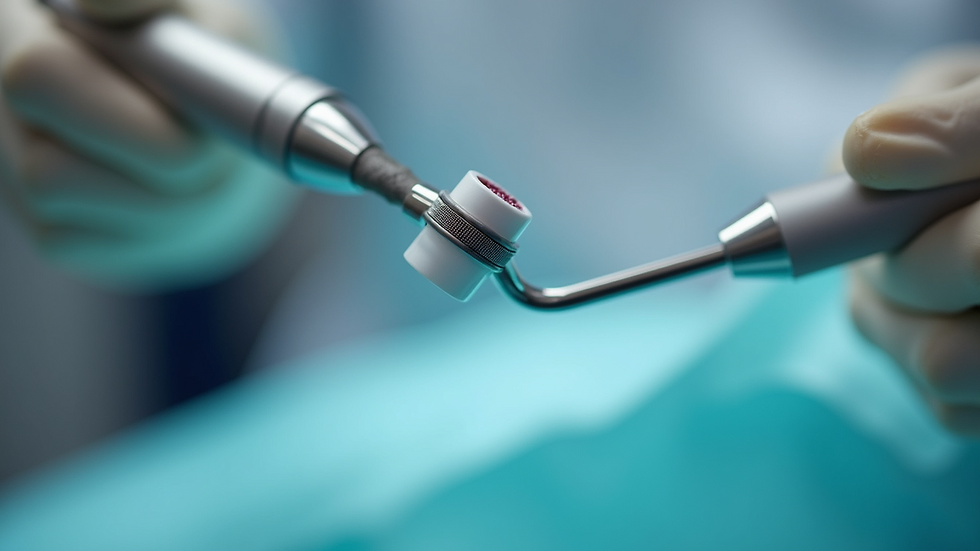
Dental handpiece equipped with an air filter to ensure clean operation
Types of Filters for Dental Equipment and Their Applications
There are several types of filters used in dental equipment, each serving a unique purpose. Understanding these types will help you make informed decisions when selecting filters.
1. Air Filters
Air filters are used to clean the compressed air that powers dental handpieces and other pneumatic devices. These filters typically remove:
Dust and particulate matter
Oil aerosols
Moisture and water vapor
High-quality air filters improve the lifespan of dental equipment by preventing corrosion and mechanical wear caused by contaminants. They also help maintain a sterile environment by reducing airborne pathogens.
2. Water Filters
Water filters are critical for ensuring the water used in dental procedures is safe and clean. These filters remove:
Bacteria and biofilm
Sediment and particulate matter
Chlorine and other chemicals
Using filtered water reduces the risk of cross-contamination and protects patients from waterborne infections. Some dental units come with built-in water filtration systems, while others require external filters.
3. Sterilizing Filters
Sterilizing filters are designed to remove microorganisms from air or fluids, ensuring that equipment and instruments remain sterile during use. These filters are often used in autoclaves and other sterilization devices.
What is a sterilizing filter?
A sterilizing filter is a high-efficiency filter that removes bacteria, viruses, and other microorganisms from air or liquids. These filters are essential in dental settings where sterilization is critical to patient safety. They typically have pore sizes small enough to trap pathogens, ensuring that sterilized instruments are free from contamination.
Sterilizing filters are commonly used in:
Autoclaves and sterilizers to filter steam or air
Water purification systems to ensure sterile water supply
Air purification units to maintain a clean environment
Choosing the right sterilizing filter involves considering the filter's pore size, material, and compatibility with your equipment. Regular replacement is necessary to maintain effectiveness.

Sterilization unit equipped with a sterilizing filter to ensure instrument safety
How to Choose the Right Filters for Your Dental Equipment
Selecting the right filters involves several factors that ensure compatibility, efficiency, and safety. Here are some practical steps to guide your choice:
1. Identify Your Equipment’s Requirements
Check the manufacturer’s specifications for your dental equipment. Some devices require specific types of filters or have recommended brands and models. Using the correct filter ensures optimal performance and avoids voiding warranties.
2. Assess the Quality of Your Air and Water Supply
Test the quality of your compressed air and water supply. If your air contains high levels of oil or moisture, invest in high-efficiency air filters with oil and water separation capabilities. For water, consider filters that remove bacteria and chemical contaminants if your local water quality is poor.
3. Consider Filter Efficiency and Lifespan
Look for filters with high filtration efficiency ratings. For example, HEPA filters for air or filters with a pore size of 0.2 microns for water are effective at removing contaminants. Also, consider the filter’s lifespan and replacement frequency to balance cost and maintenance.
4. Evaluate Compatibility and Installation
Ensure the filter fits your equipment and is easy to install and replace. Some filters come with adapters or are designed for specific models. Proper installation is crucial to prevent leaks and ensure effective filtration.
5. Purchase from Reputable Suppliers
Buy filters from trusted suppliers who specialize in dental equipment. This guarantees that the filters meet industry standards and are safe for use in medical environments.
Maintenance Tips for Dental Equipment Filters
Proper maintenance of filters extends their life and ensures continuous protection. Here are some actionable recommendations:
Regular Inspection: Check filters monthly for signs of clogging or damage.
Scheduled Replacement: Follow manufacturer guidelines for replacement intervals.
Cleaning: Some filters are reusable and can be cleaned; ensure you use appropriate methods.
Record Keeping: Maintain logs of filter changes and maintenance activities.
Professional Servicing: Have your dental equipment serviced by professionals who can inspect and replace filters as needed.
By adhering to these practices, you can avoid equipment downtime and maintain a safe environment for patients and staff.
Enhancing Dental Practice Safety with Proper Filtration
Using the right filters not only protects your equipment but also enhances overall safety in your dental practice. Clean air and water reduce the risk of infections and cross-contamination. Additionally, well-maintained filters contribute to the smooth operation of dental tools, minimizing unexpected breakdowns.
Investing in quality dental equipment filters is a proactive step toward maintaining high standards of hygiene and patient care. It also reflects your commitment to using the best technology and practices in your dental services.
Choosing the right filters for dental equipment is a critical decision that impacts the safety, efficiency, and longevity of your dental practice. By understanding the types of filters available, assessing your specific needs, and maintaining your filters properly, you can ensure optimal performance and patient safety. Regular updates and consultations with equipment manufacturers and suppliers will keep your filtration systems up to date with the latest advancements.


Comments